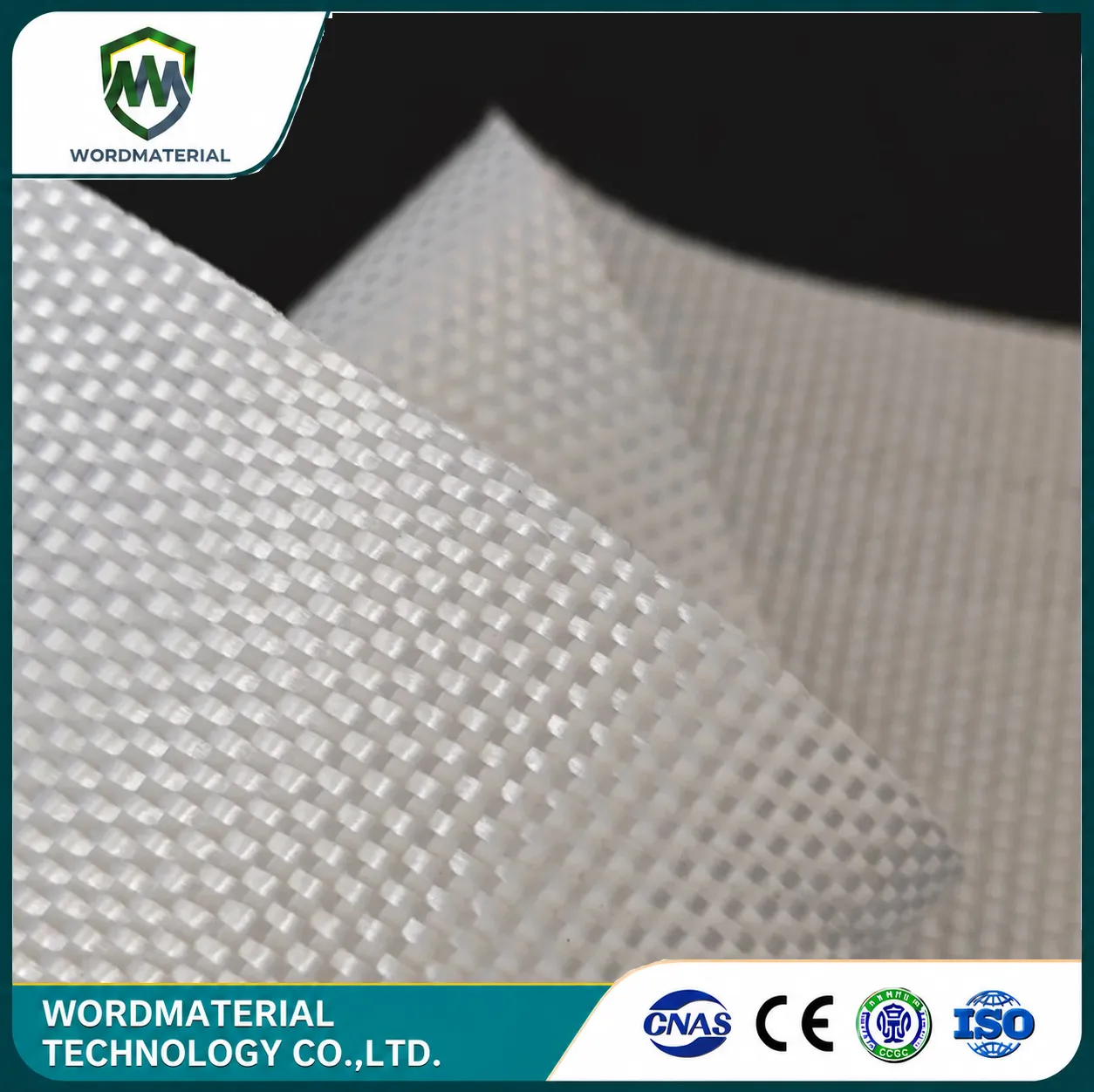
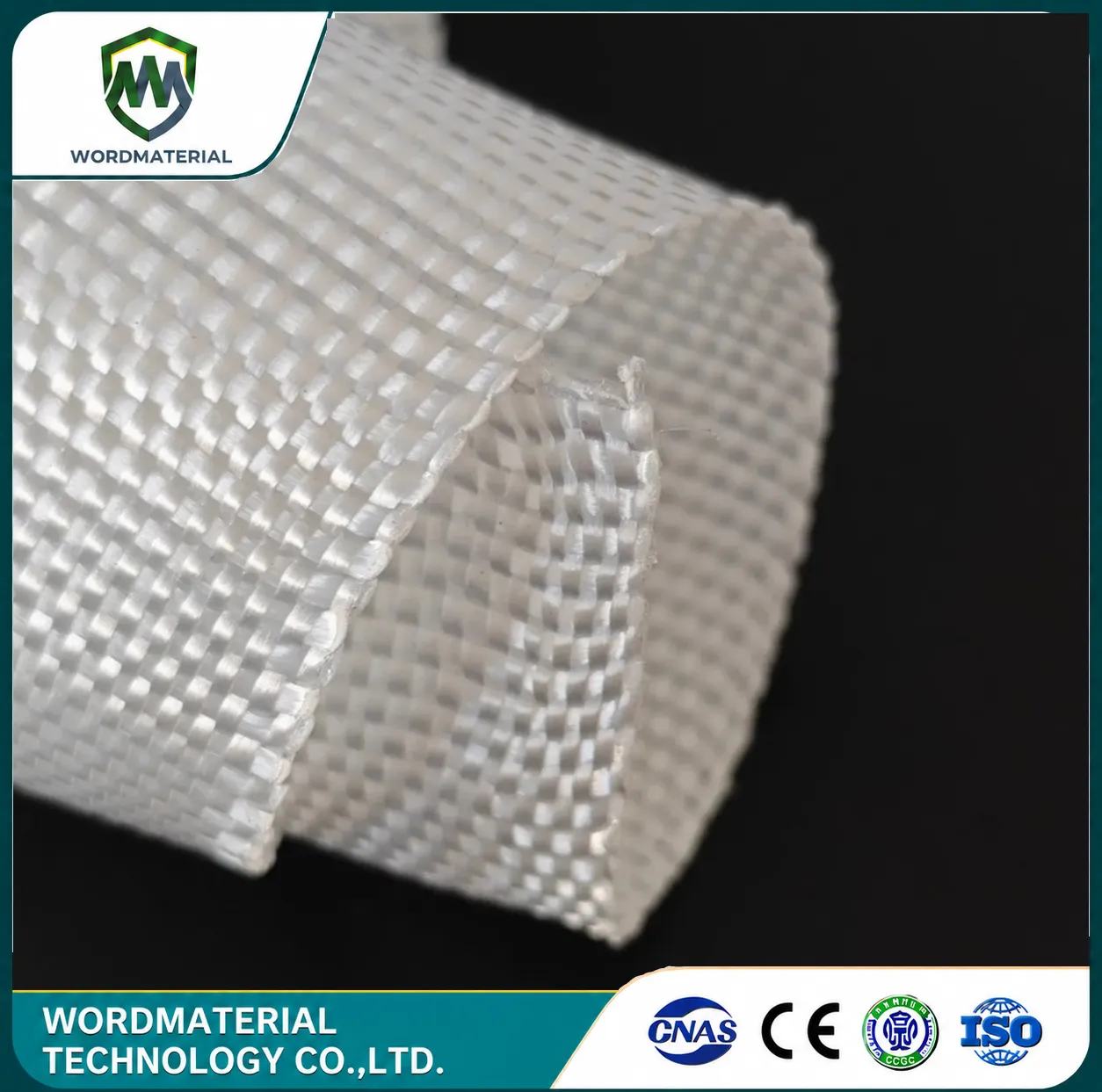
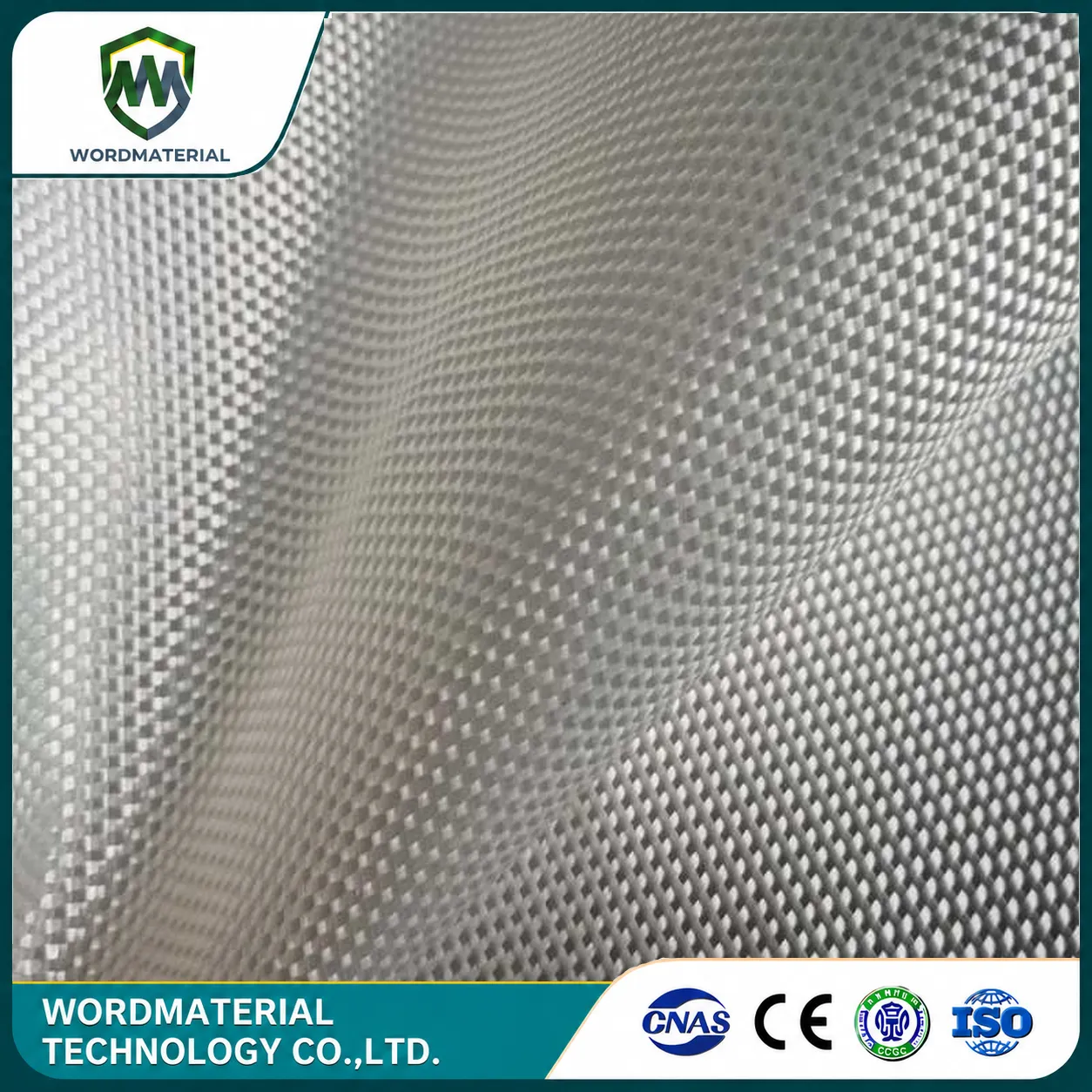
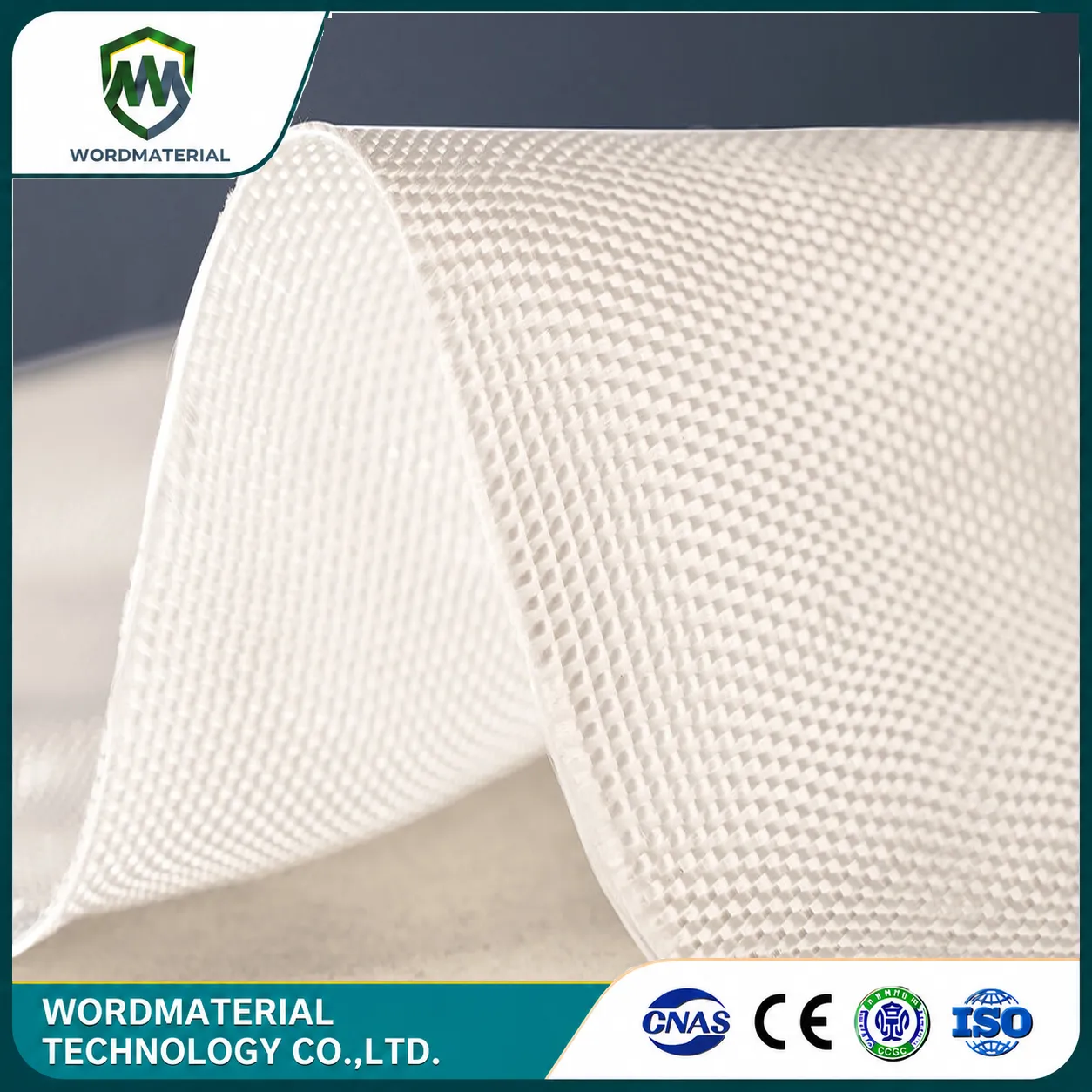
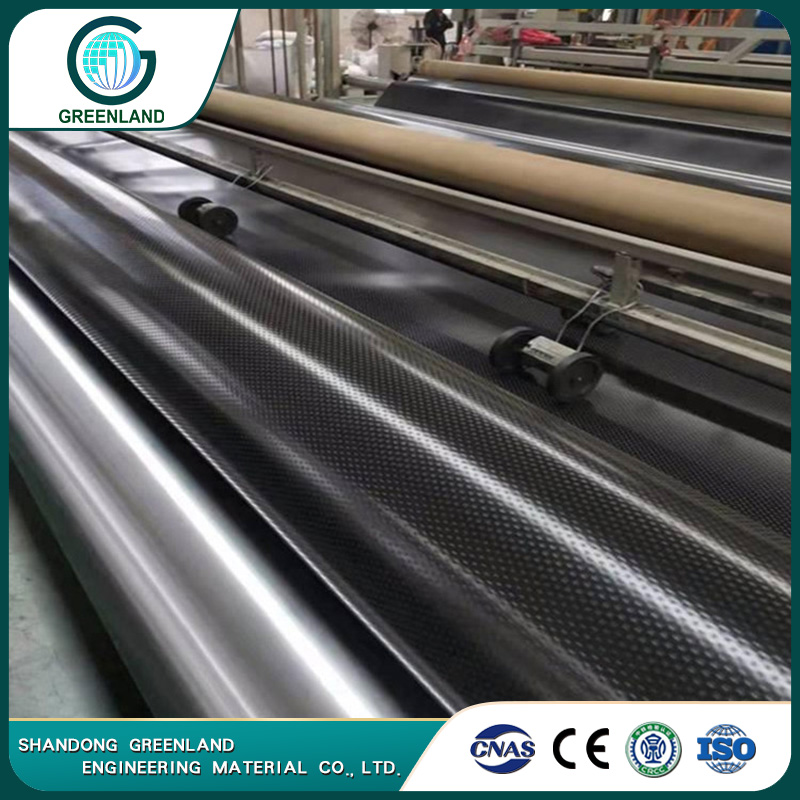
Geomembrane Product Features
- Raw Material: PET/PP/PA.
- Production Process: Woven
- Nominal Break Strength: 35-250 kN/m
- Width: 6-8m, can be customized.
- Standard: GB/T 17640-2023, ASTM, ISO...
- Delivery Time: Have stock.
- Packaging: 50-100 m/roll, can be customized.
- Free Samples: Available.
- MOQ: Trial or bulk orders are acceptable.
Filament Woven Geotextile
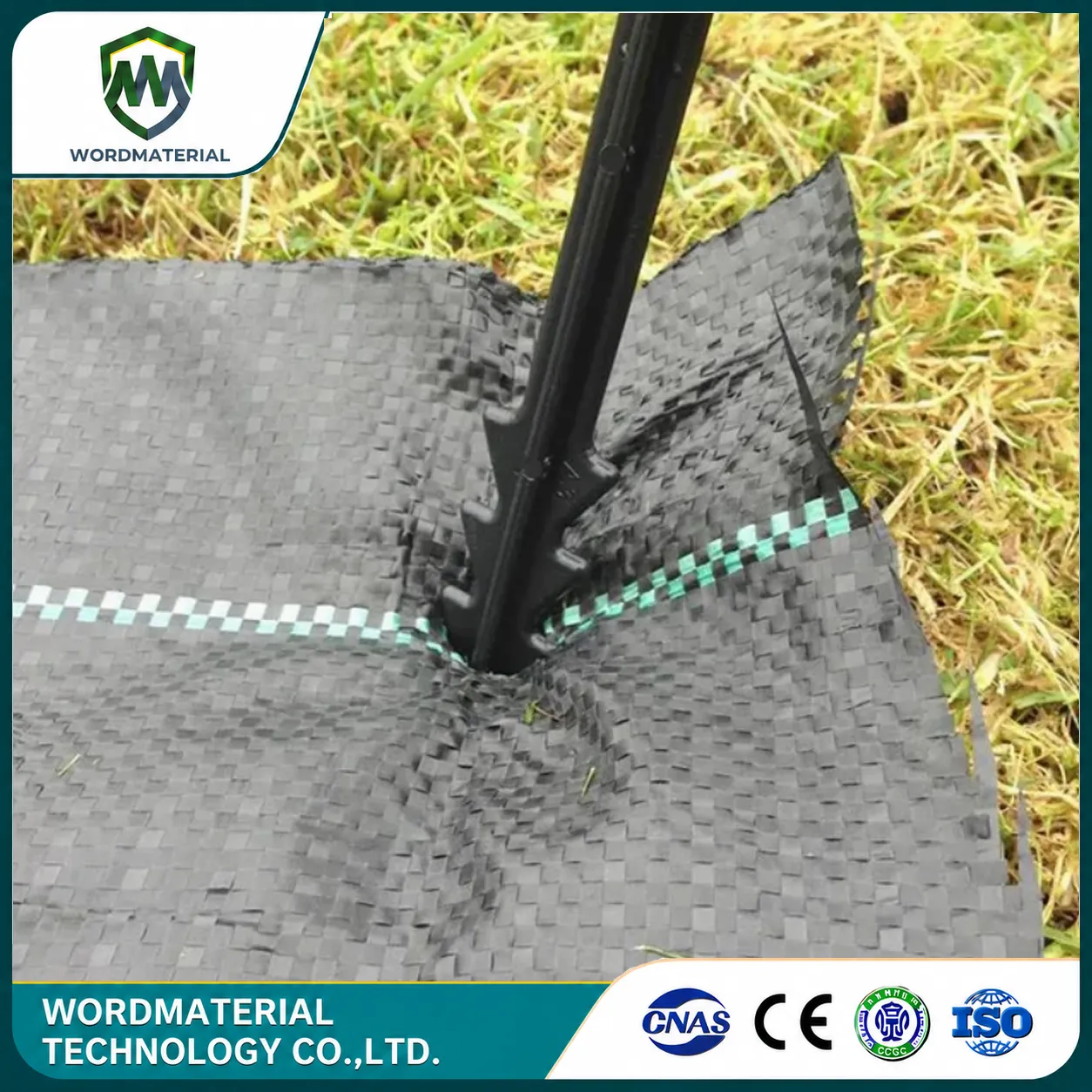
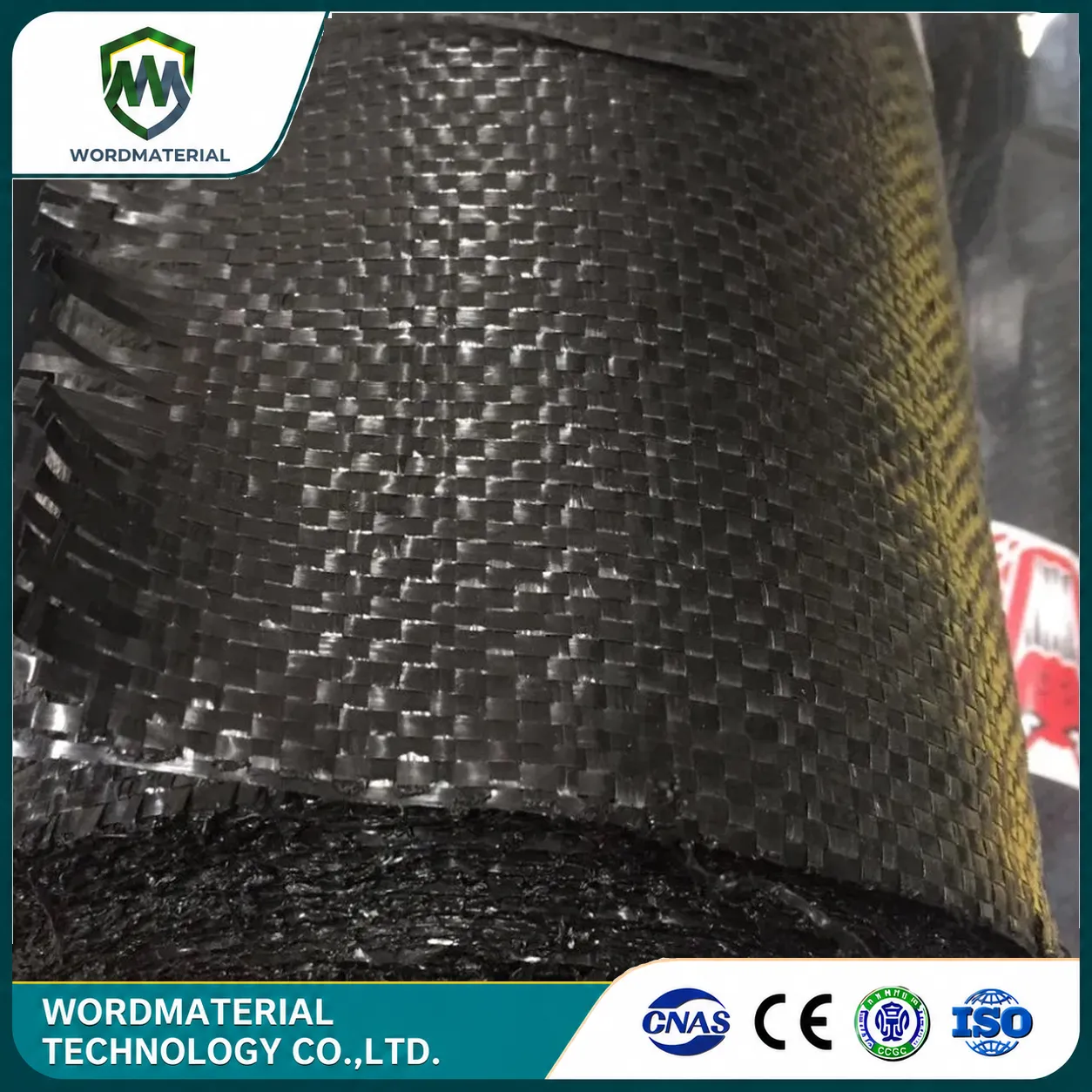
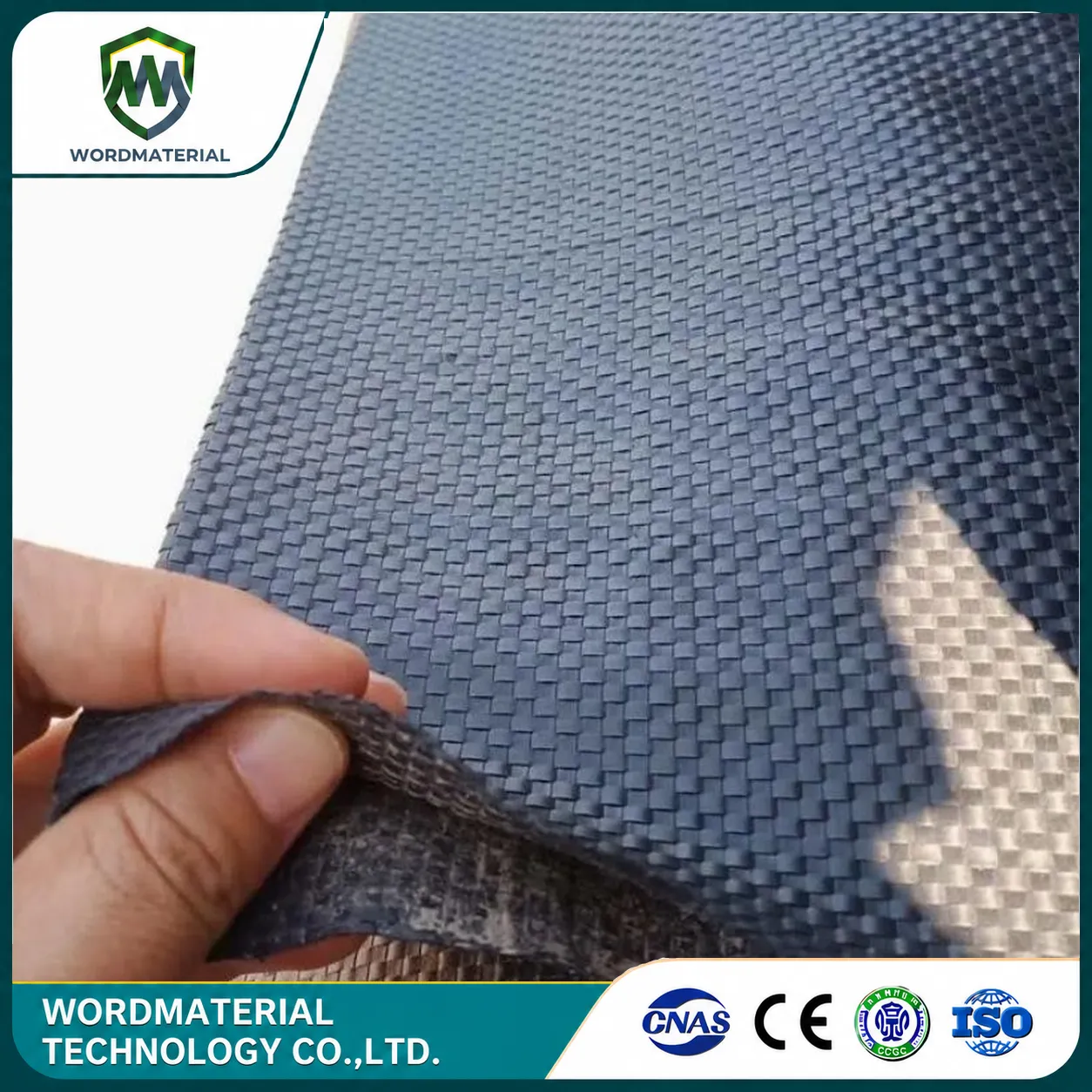
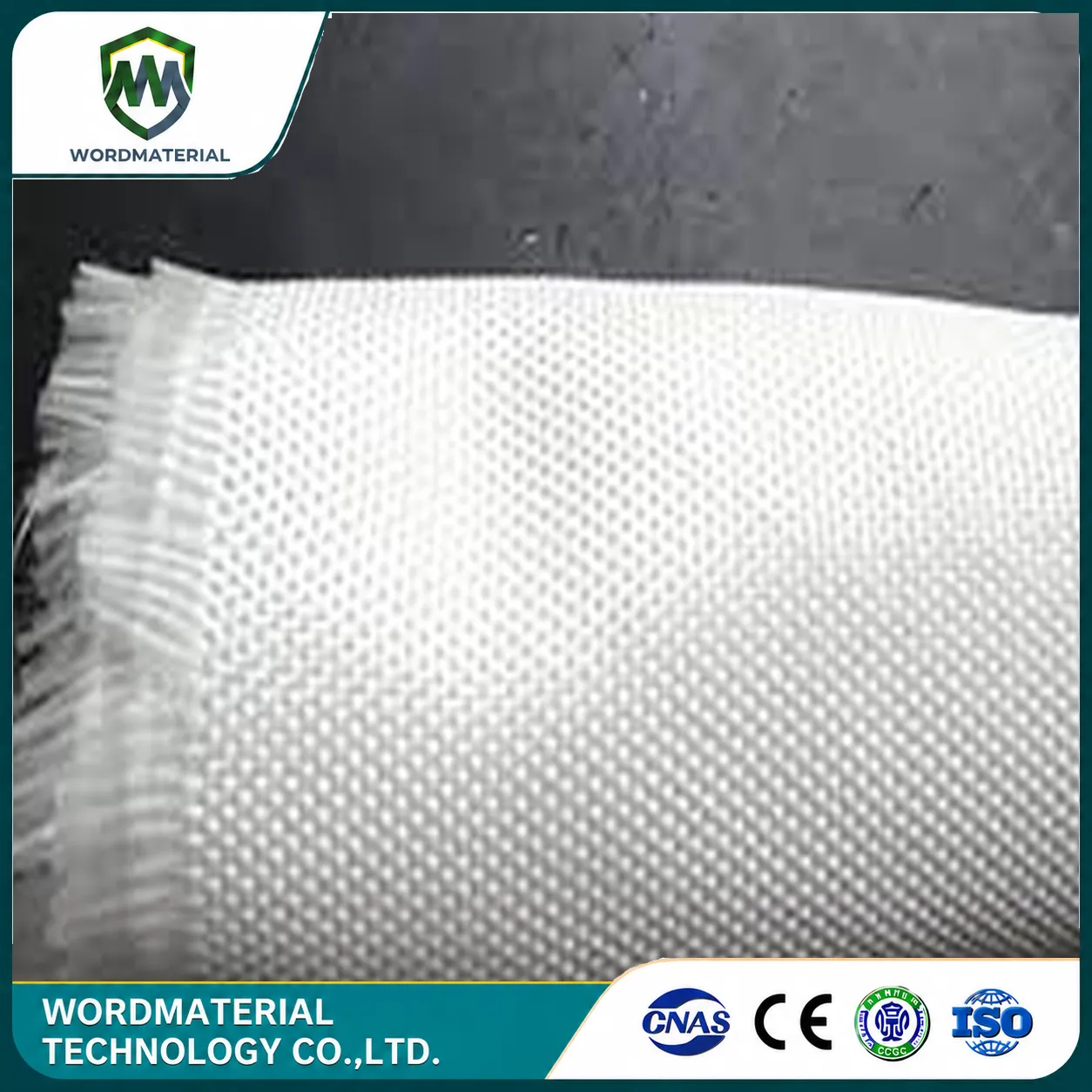
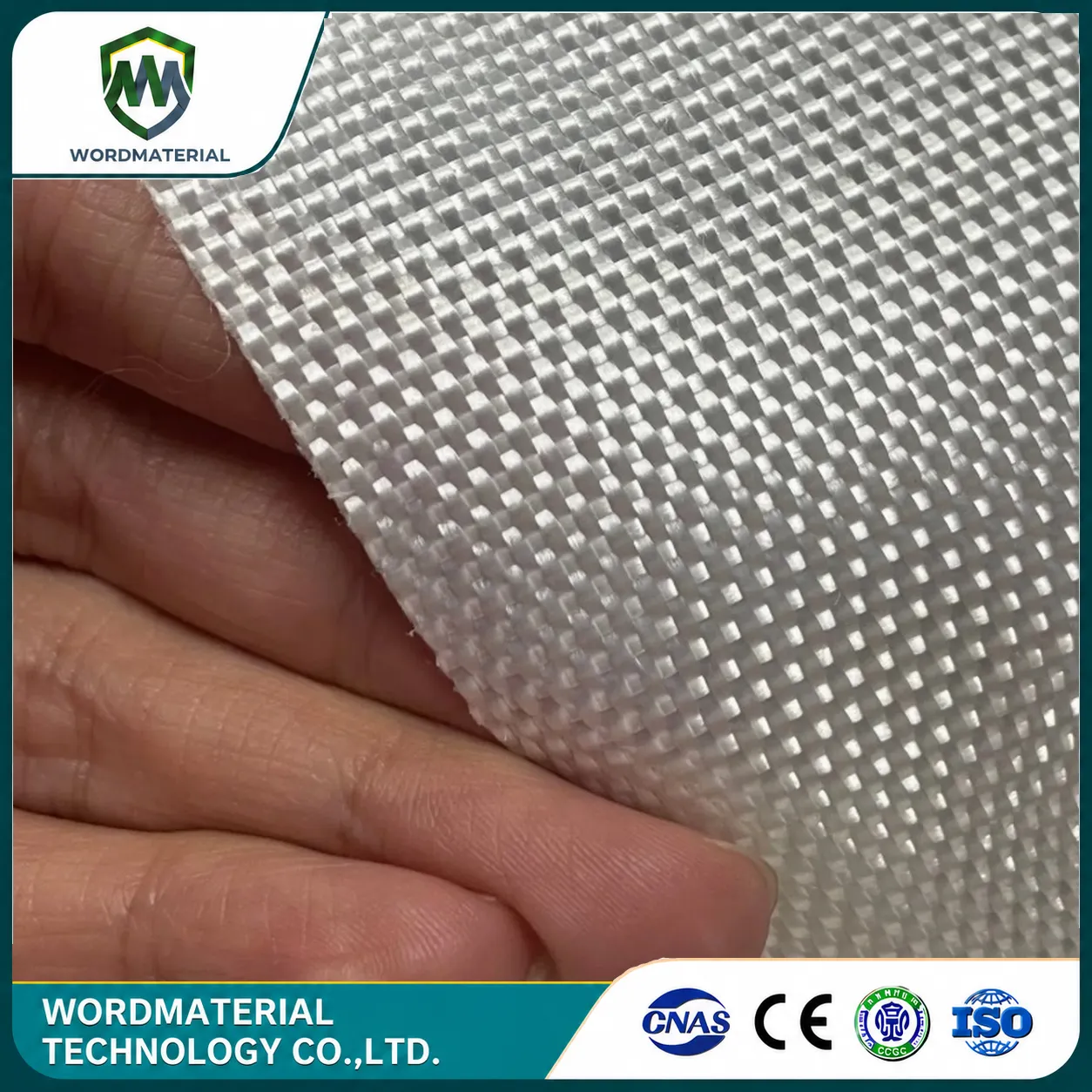
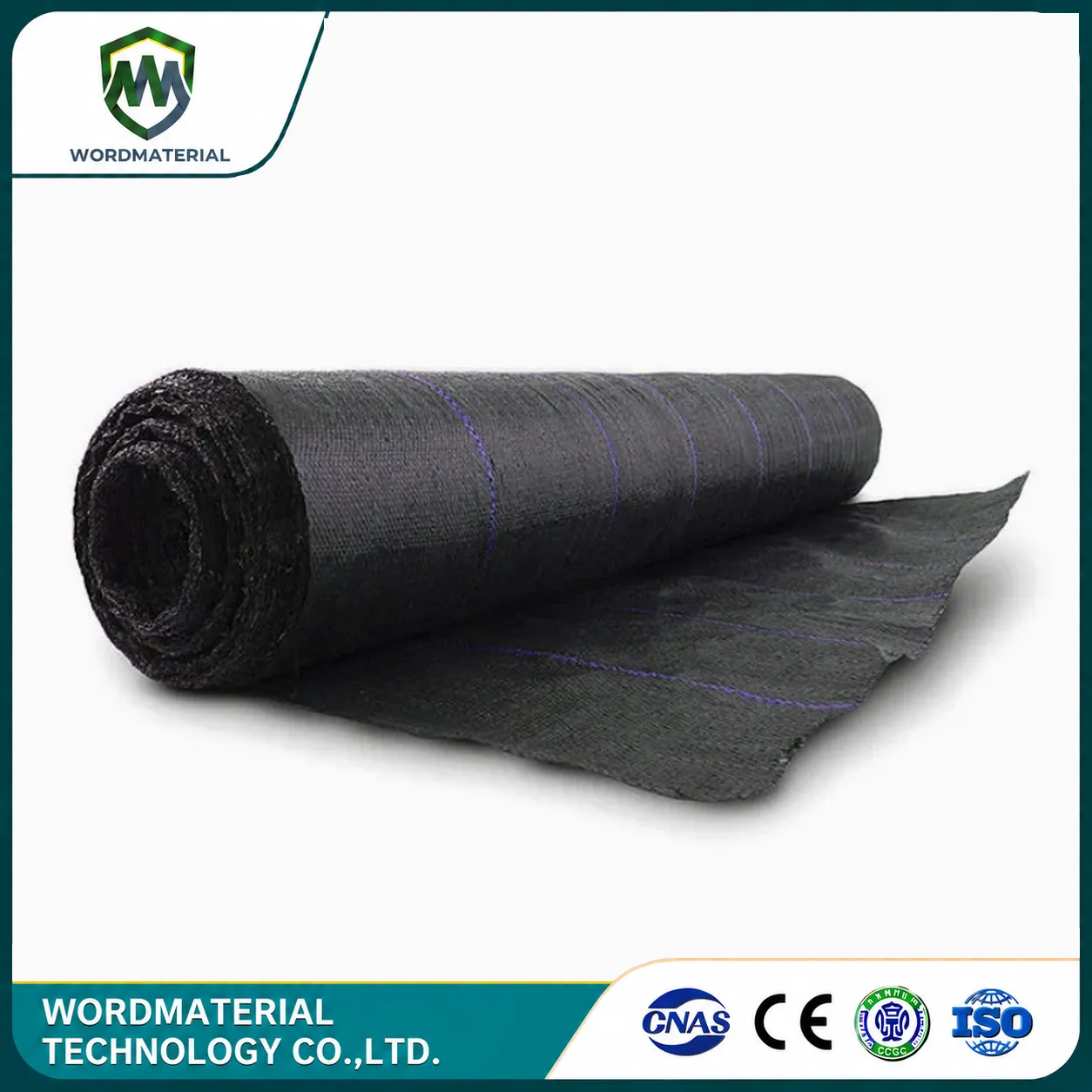
Filament woven geotextile is made of polymer filaments through a weaving process, it has extremely high tensile strength.
Woven geotextiles are made from PET, PP, or PA industrial filaments through warping and weaving processes. They have ultra-high tensile strength, low elongation, and excellent creep resistance, making them a core material for soft soil foundation reinforcement, slope protection, and large-span reinforcement projects. Unlike nonwoven geotextiles, the core value of woven geotextiles lies in converting the tensile stress of the soil into the tensile force of the fabric, thereby reinforcing the soil and rock structure. Our products can be manufactured according to GB/T, ASTM, ISO, and other standards, and all raw materials are pure new resin.
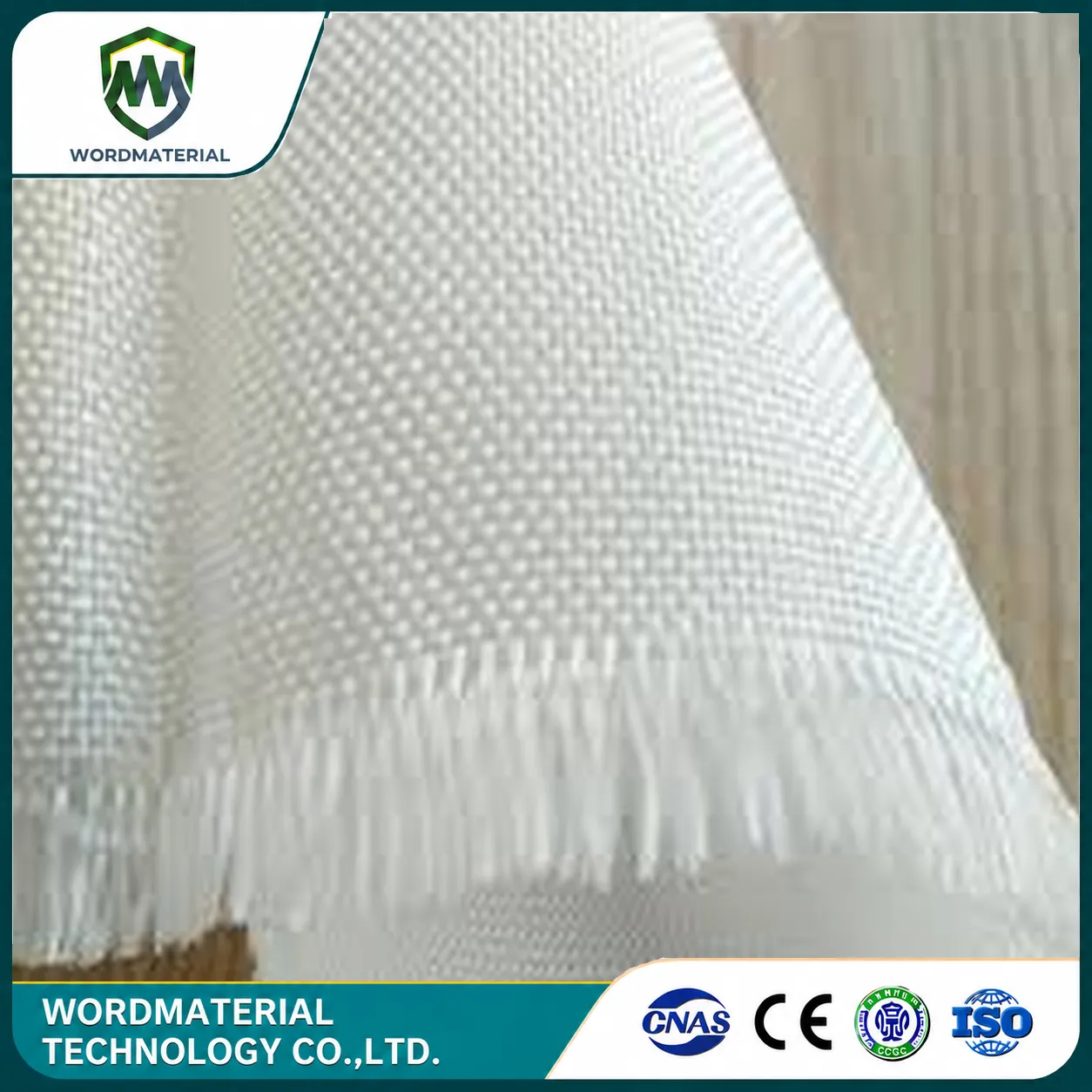
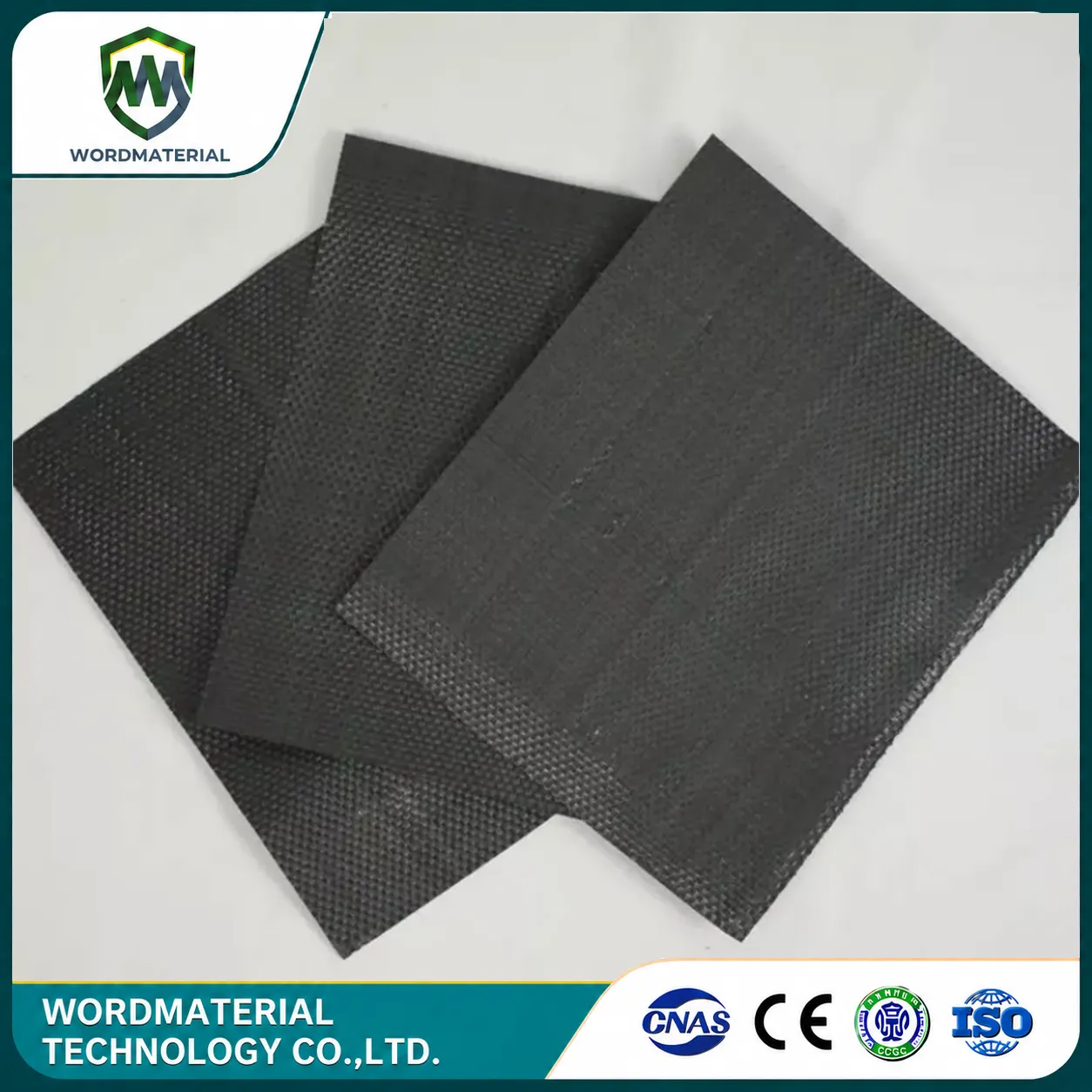
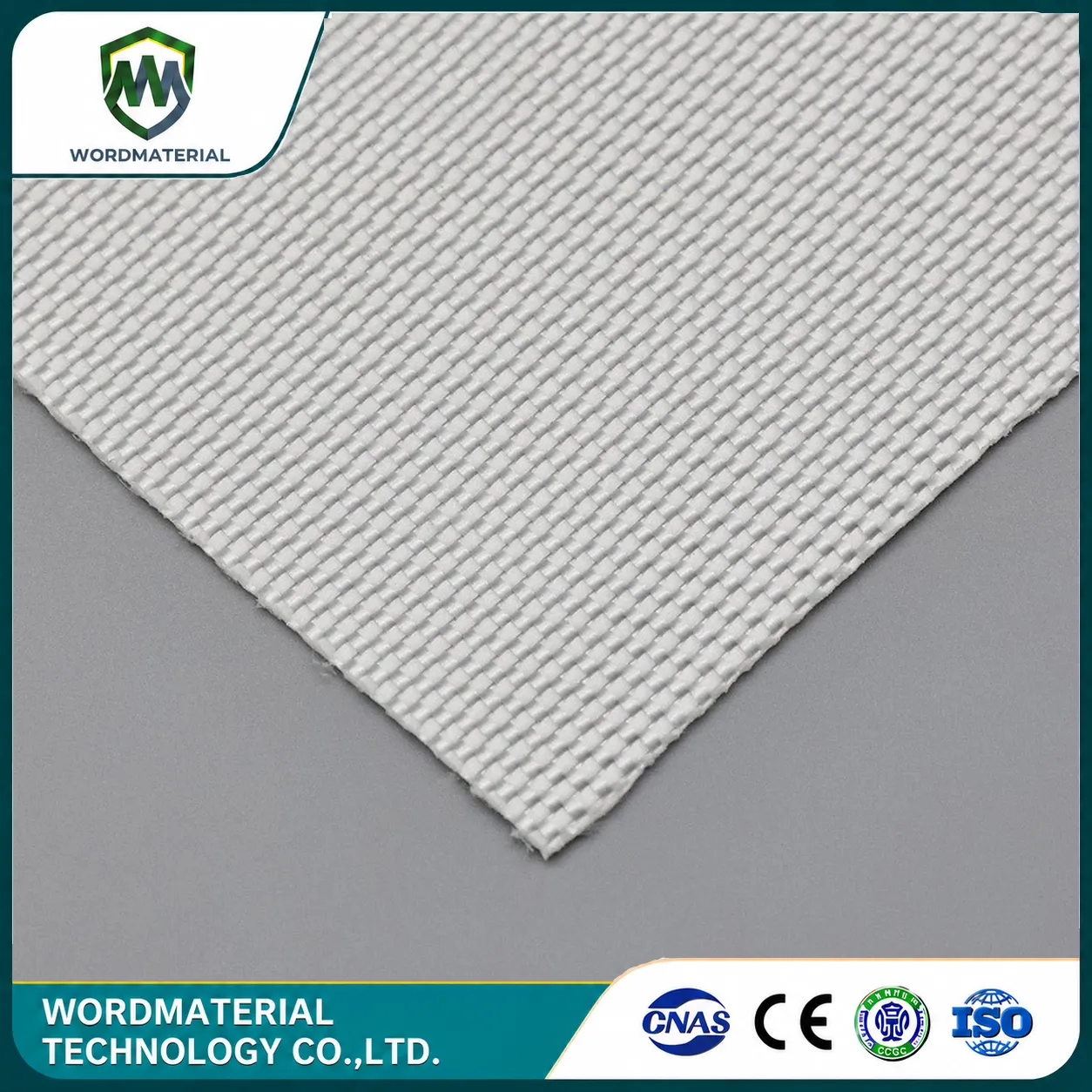
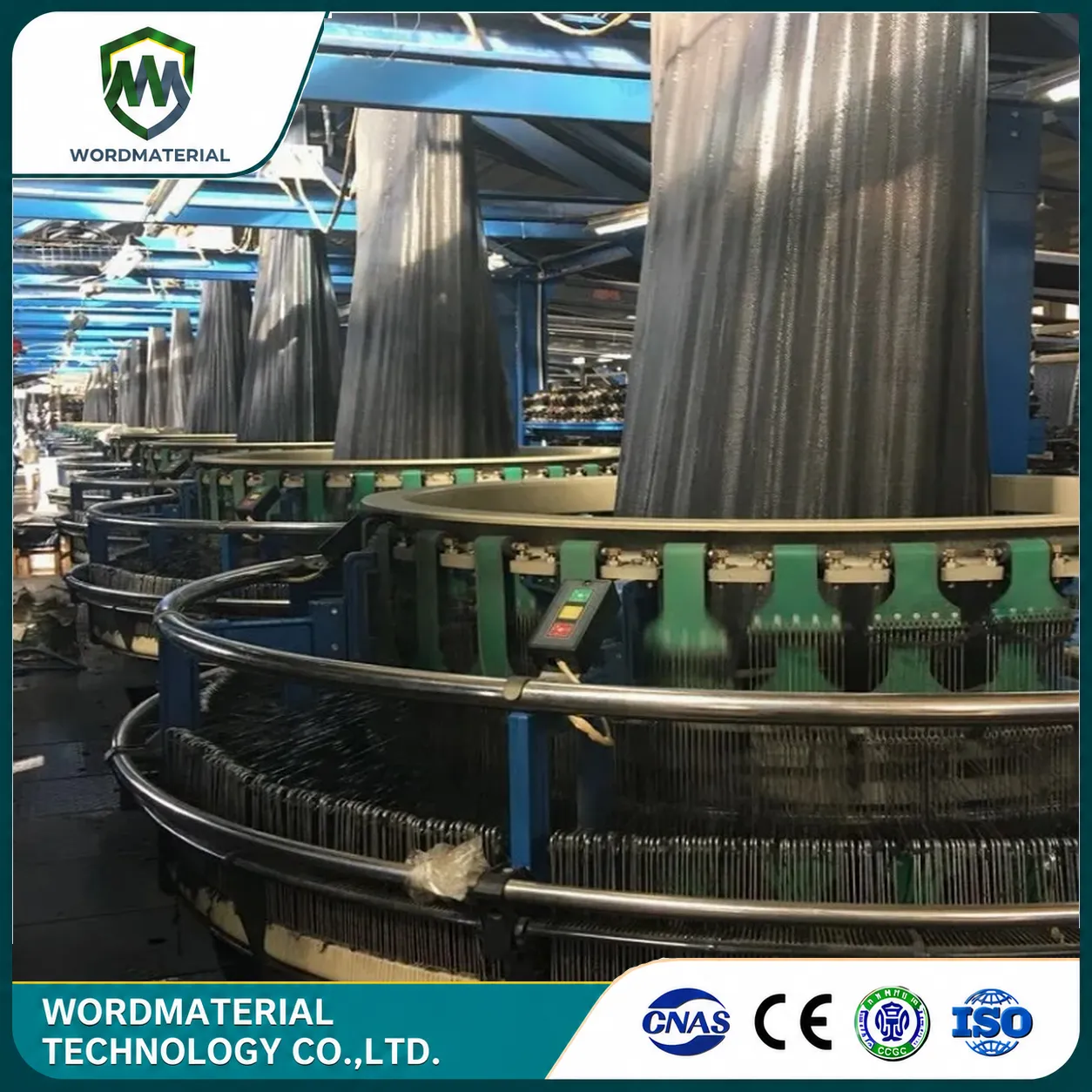
Production Process: Woven processes, including warping, weaving, and finishing.
Quality Control: The entire production process is monitored by automation. Strict factory inspections are conducted in accordance with standards, to ensure that the dimensions, appearance, and key properties.
After-sales Service: We have over one million square meters of construction experience, and our team can provide on-site construction services. We also offer remote technical guidance to assist with welding and construction.
Advantages
- Ultra-high tensile strength: The breaking strength can reach 35kN/m~250kN/m, which is far higher than that of nonwoven geotextiles.
- Low elongation: Minimal deformation under maximum load, providing effective constraint on soil in the early stages and controlling settlement and lateral deformation.
- Excellent creep resistance
- Strong resistance to acids, alkalis and UV
- When used in geotextile tubes and geotextile bags, the length and width deviation rate is ≤±2% to ensure accurate filling and forming dimensions, meeting the strict requirements for forming accuracy in projects such as waterway dredging and cofferdam construction.
|
Specification for Filament Woven Geotextile
GB/T 17640-2023
|
||||||||||||
| Raw Material: PET/PP/PA | ||||||||||||
| No. |
标称断裂强度 Nominal Break Strength kN/m |
35 | 50 | 65 | 80 | 100 | 120 | 140 | 160 | 180 | 200 | 250 |
| 1 |
拉伸断裂强度(经向) Tensile Break Strength (MD) kN/m |
≥35 | ≥50 | ≥65 | ≥80 | ≥100 | ≥120 | ≥140 | ≥160 | ≥180 | ≥200 | ≥250 |
| 2 |
拉伸断裂强度(纬向) Tensile Break Strength (XMD) kN/m |
MD tensile breaking strength value * 0.7 | ||||||||||
| 3 |
经向最大负荷下伸长率 Elongation(max. load) (MD) % |
≤35 | ||||||||||
| 4 |
纬向最大负荷下伸长率 Elongation(max. load) (XMD) % |
≤30 | ||||||||||
| 5 |
顶破强力 Bursting Strength kN |
≥2 | ≥4 | ≥6 | ≥8 | ≥10.5 | ≥13 | ≥15.5 | ≥18 | ≥20.5 | ≥23 | ≥28 |
| 6 |
等效孔径 O₉₀(O₉₅) Equivalent Aperture O₉₀ (O₉₅) mm |
0.05~0.50 | ||||||||||
| 7 |
垂直渗透系数 Vertical Permeability Coefficient cm/s |
K×(10⁻¹~10⁻³), K=1.0~9.9 | ||||||||||
| 8 |
幅宽偏差 Width Deviation Rate % |
≥-1.0 | ||||||||||
| 9 |
经纬向撕破强力 Tear Strength(MD and XMD) kN |
≥0.4 | ≥0.7 | ≥1 | ≥1.2 | ≥1.4 | ≥1.6 | ≥1.8 | ≥1.9 | ≥2.1 | ≥2.3 | ≥2.7 |
| 10 |
单位面积质量偏差 Mass Deviation Rate per Unit Area % |
≥-5 | ||||||||||
| 11 |
长宽度偏差率 Length and Width Deviation Rate % |
±2 | ||||||||||
| 12 |
接缝强度 Joint Strength kN/m |
Nominal Strength Value*0.5 | ||||||||||
| 13 |
抗酸碱性能 (纵横向强力保持率) Acid and Alkali Resistance Strength- % retained(MD and XMD) % |
PP: ≥90; Others: ≥90 | ||||||||||
| 14 |
抗紫外线性能(氙弧灯法)*(纵横向强力保持率) UV Resistance (xenon arc lamp method) Strength- % retained(MD and XMD) % |
≥90 | ||||||||||
| 15 |
抗紫外线性能(荧光紫外灯法)*(纵横向强力保持率) UV Resistance (fluorescent UV lamp method) Strength- % retained(MD and XMD) % |
≥90 | ||||||||||
|
Note:
* Items 11 and 12 are only required when used for tubu bags and mold bags.
* Items 13, 14, and 15 will be determined through mutual consultation.
|
||||||||||||
- Reinforcement of Soft Soil Foundations:
- In sections of high-grade highways and railways crossing soft soil areas, high-strength woven geotextiles are laid at the bottom of the embankment to restrain lateral extrusion, accelerate consolidation settlement, and significantly reduce post-construction settlement. A nominal strength of 100kN/m to 200kN/m is recommended.
- Reinforced Soil Retaining Walls and Steep Slopes:
- Similar to geogrids, woven geotextiles can be layered to wrap fill material, forming reinforced soil structures for use in vertical retaining walls, bridge abutments, and wharf embankments. Compared to geogrids, woven fabrics are continuous and node-free, resulting in more uniform stress distribution.
- Geotextile Tubes and Geotextile Formwork:
- Geotextile Tubes: Filled with dredged silt and river/lake sediment, quickly dewatered and consolidated, used for cofferdams and artificial island construction.
- Geotextile Formwork: Filled with concrete underwater or on slopes to form a hard layer for slope and bottom protection.
- Harbor Revetments and Breakwaters:
- As the main material of the flexible revetment, they are laid beneath the riprap base to prevent siltation after trench excavation and to bear the repeated tensile stress caused by wave loads.
- Large-span Inflatable Membrane Structures:
- As the foundation anchorage of the inflatable membrane structure, they withstand enormous uplift and horizontal thrust.